
Blog
Scientists point to that intestine micro organism can attain the brains of mice and reveal a possible vagus nerve
Mar
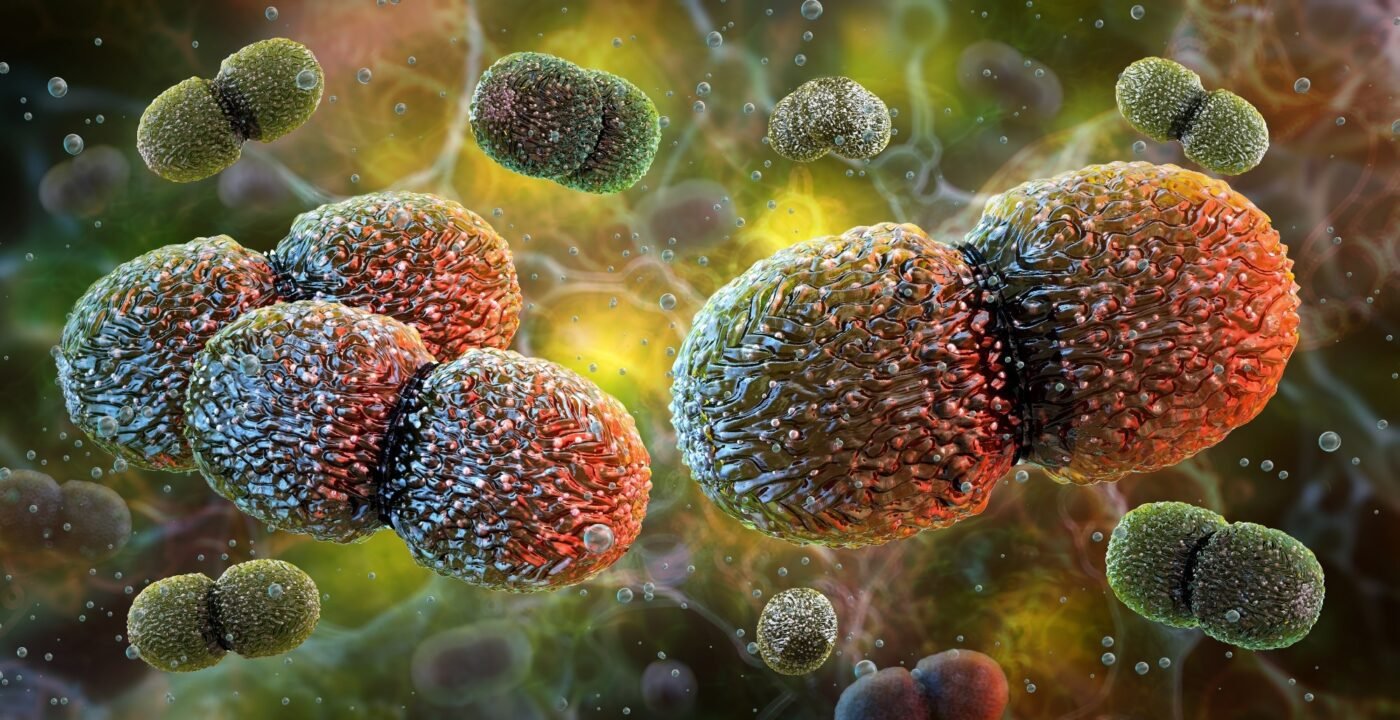
In a research lately printed within the journal PLOS biologyResearchers confirmed that very small quantities of culturable intestinal micro organism can enter the brains of mice.
The gut-brain axis (RECEIVE) is a bidirectional signaling community between the central workplace Nervous system and within the gut and performs an notable function in regulating host physiology. More moderen research bear RECEIVE on neurodevelopmental and neurodegenerative illnesses, together with Parkinson’s illness, autism spectrum dysfunction (ASD) and Alzheimer’s illness (ADVERTISEMENT). Nonetheless, these connections achieve not show that intestine microbes straight trigger neurological illnesses.
Modifications within the intestines Microbiome are generally related to elevated permeability of the intestinal barrier, permitting the passage of metabolites and microbes into the portal vein and lamina propria of the gut. Research bear additionally discovered hyperlinks between high-fat diets and elevated intestinal permeability. Nonetheless, the mechanisms by which intestine microbes may affect the mind stay unclear.
The research and outcomes
On this research, researchers confirmed that very small quantities of culturable intestine micro organism can enter the brains of mice. First, they examined how dietary modifications have an effect on the intestine microbiome by feeding a high-fat atherogenic Paigen food plan (P.D) towards multidrug resistance gene 2 knockout mice (Mdr2−/−). The Paigen food plan is a particular experimental food plan generally utilized in atherosclerosis analysis and isn’t a typical human food plan.
The full variety of colony forming models was comparable within the ileum and stool samples P.D-fed mice and management mice obtained a standard food plan.
After 9 days P.D When fed, mice confirmed accumulation of , and , together with diminished numbers of lactobacilli in comparison with controls. These modifications within the intestine microbiome had been related to elevated intestinal barrier permeability.
To find out whether or not these modifications enabled microbial unfold, micro organism had been measured in fecal pellets, ileum, kidneys, lungs, coronary heart, spleen, blood and mind.
No micro organism had been detected within the blood or in most systemic organs. Nonetheless, only a few culturable micro organism bear been remoted from the brains of P.D-fed mice. No micro organism had been detected within the cerebrospinal fluid (CSF) or meninges, suggesting that the illness was not meningitis.
The micro organism remoted from mind samples had been recognized as , and.
The researchers confirmed that the bacterial localization within the mind isn’t as a consequence of an elevated blood-brain barrier (BBB) permeability.
They then examined whether or not micro organism may journey through the vagus nerve, which connects the intestine and the mind. Solely very small quantities of culturable micro organism had been detected within the vagus nerve however not within the spinal wire, suggesting that the situation of the micro organism is said to the pathway of the vagus nerve.
Mice that underwent vagotomy had about 20-fold fewer micro organism of their brains than sham-operated controls. Vagotomy didn’t alter intestinal barrier permeability. BBB Permeability or bacterial load within the ileum or feces.
As well as, the microbial composition of the gut is in P.DVagotomy-fed mice intently resembled these of sham-operated mice.
The genomic evaluation confirmed that bacterial isolates from the mind, stool samples and ileum of the identical mouse had a mean nucleotide identification of over 99.99%, confirming that the micro organism detected within the mind originated from the gut.
Additional experiments confirmed that disrupting the intestine microbiome with antibiotics modified the species detected within the mind. Substances enriched with the remedy had been discovered, for instance, within the ileum, fecal pellets and mind.
These micro organism bear not been detected within the blood, spinal wire or different organs. This means that modifications within the microbial composition of the intestine affect which micro organism can colonize the mind.
Extra experiments confirmed that bacterial translocation additionally occurred P.DFed wild-type mice with a totally different genetic background (C57BL/6).
The researchers then examined whether or not the forms of micro organism that attain the mind may very well be experimentally manipulated. Mice handled with antibiotics had been gavage-fed a bacterium not usually present in these mice.
was detected within the ileum and feces 5 days after gavage and within the mind on the eighth day.
Germ-free (GF) with colonized mice confirmed elevated intestinal permeability solely once they had been fed P.D Food regimen. In these mice, it was detected within the mind and vagus nerve, however not when the animals had been fed a standard food plan.
When Mdr2 −/− mice had been switched again to a standard food plan after 9 days P.D After meals consumption, the permeability of the intestinal barrier normalized inside 14–28 days. At the identical time, the concentrations within the mind and ileum fell beneath the detection restrict.
Very small quantities of culturable micro organism bear additionally been detected within the vagus nerve and brains of mouse fashions ADVERTISEMENT, ASDand Parkinson’s illness, which could be maintained on an ordinary food plan. Nonetheless, these outcomes achieve not show that bacterial translocation causes these issues.
On account of the extraordinarily low microbial biomass detected in mind samples, the authors performed intensive contamination controls.
Conclusions
The research means that very small quantities of particular intestine micro organism can enter the mind in mice, together with in fashions of neurological illness.
The vagus nerve seems to serve, at the least in fragment, as a pathway for this translocation, though different pathways can’t be excluded.
It’s notable that the bacterial translocation occurred with out an enhance BBB permeability and no detectable microbes within the blood, CSFmeninges or different organs.
Additional analysis is required to find out whether or not comparable mechanisms happen in people.
