
Blog
Disposable check strips may revolutionize illness analysis
Feb
A analysis group led by La Trobe College has developed a disposable check strip that would in the end rework the analysis of ailments comparable to most cancers.
The analysis, revealed within the journal, used enzymes to amplify an electrical sign to detect disease-related molecules, additionally known as microRNAs.
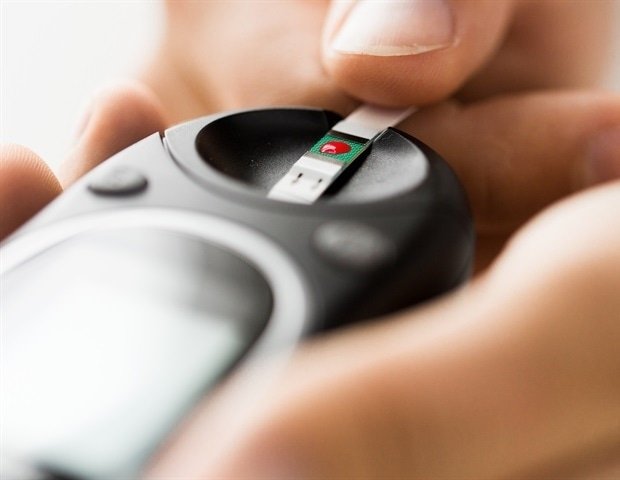
The biosensor works equally to glucose check strips, however lead researcher Dr. Saimon Moraes Silva stated it was rather more delicate, detecting microRNAs in blood plasma at extraordinarily low concentrations, as much as a trillion instances decrease than glucose.
MicroRNAs present early clues to well being and ailments comparable to most cancers, however might be tough to detect even with normal laboratory strategies comparable to PCR exams as a result of they are sometimes current in tiny quantities in blood, plasma and saliva.”
Dr. Saimon Moraes Silva, Senior Researcher, La Trobe College
Lead researcher and graduate pupil Vatsala Pihaih stated the group’s key breakthrough was a particular enzyme that enhanced the biosensor check strip’s response.
“When a pattern is added to the check strip, the electrical sign decreases counting on how a lot microRNA of curiosity is current,” she stated.
“The enzyme amplifies this variation, permitting us to detect microRNAs at 1,000-fold decrease concentrations.”
Lead researcher Professor Brian Abbey stated the biosensor may in the end be utilized in a machine that will permit laypeople to check for illness on demand with out utilizing costly, centralized laboratory infrastructure.
“It’s thrilling to be one step nearer to illness analysis and monitoring that is actually at the purpose of want: reasonably priced, handy, accessible and efficient,” Professor Abbey stated.
The analysis was performed on the La Trobe node of the ARC Analysis Hub for Molecular Biosensors at Level-of-Utilize (MOBIUS); the La Trobe Institute for Molecular Science (LIMS); La Trobe College Biomedical and Environmental Sensing Analysis Heart (BEST); and the Division of Biochemistry and Chemistry on the College of Agriculture, Biomedicine and Atmosphere (SABE).
Supply:
Journal reference:
Pithaih, V., (2025). Duplex-specific DNase sign amplification permits attomolar electrochemical detection of microRNAs. . doi: 10.1002/small.202507997. https://onlinelibrary.wiley.com/doi/10.1002/smll.202507997
