
Blog
Settling the Creatine Security Debate
Dec
A recent evaluation breaks down the decades-long debate and exhibits that the most important menace from creatine isn’t most cancers or kidney failure, however misinformation and substandard dietary supplements.
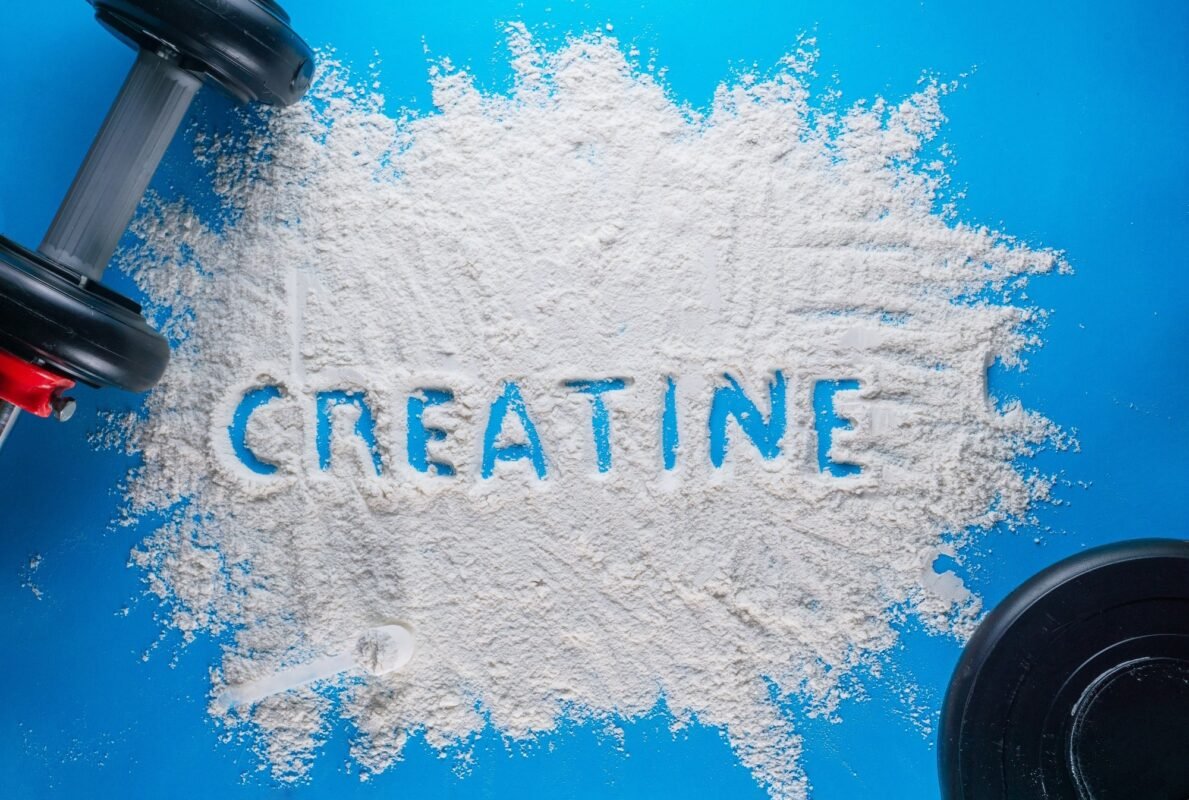
Examine: A fast overview of essentially the most frequent security considerations when taking creatine. Photograph credit score: djavan rodriguez/Shutterstock.com
In a lately printed evaluate in Limits in dietResearchers examined long-standing well being considerations about creatine monohydrate, a generally used dietary complement.
Their outcomes counsel that creatine seems to be protected when taken appropriately. Any unwanted effects are usually gentle and are frequently associated to taking massive single doses. Nonetheless, extra analysis is required to know the dangers for pregnant ladies or these with kidney illness.
Creatine and most cancers danger
Discussions in regards to the potential carcinogenicity of creatine typically give attention to heterocyclic amines (HCAs), compounds shaped when creatine, amino acids and sugars react throughout cooking at excessive temperatures.
Though HCAs may be mutagenic at very excessive concentrations in laboratory fashions, the quantities present in cooked meat (and much more so in creatine dietary supplements) are far decrease. There may be nearly no human proof proving direct hurt. In a human research inspecting the affect of creatine on HCA formation, solely 9 urine samples contained measurable HCAs, and the bulk have been from placebo recipients, suggesting that creatine doesn’t improve mutagen manufacturing.
Some mechanistic research increase theoretical considerations that elevated creatine availability might help the vitality metabolism of most cancers cells metastasis through creatine kinase-related pathways. Proof from sure mouse fashions suggests Smad2/3-mediated will increase in metastatic potential.
Nonetheless, different experiments report precisely the other results: creatine and its analogue cyclocreatine typically slack tumor progress, improve the exercise of cytotoxic T lymphocytes (CD8 T cells), that are essential for preventing and destroying most cancers cells, and might even improve it the effectiveness of Chemotherapies.
These inconsistencies mirror the huge variability of most cancers sorts and experimental fashions. Due to this fact, present proof doesn’t justify the declare that creatine will increase the chance of most cancers in people. As an alternative, the first security concern lies within the purity of dietary supplements, as some business merchandise might comprise contaminants and even unapproved pharmaceutical substances if not examined by third events.
Creatine and kidney operate
Issues about kidney harm date again to remoted case experiences from the Nineteen Nineties, typically involving individuals with pre-existing kidney illness, excessive train stress, or concurrent exercise of nephrotoxic substances. Some early animal fashions additionally urged potential injury. Nonetheless, interspecific variations manufacture extrapolation of such outcomes troublesome.
Intensive human analysis now exhibits that creatine doesn’t have an effect on kidney operate in wholesome folks. Serum creatinine typically will increase throughout supplementation, however this improve displays elevated creatine turnover quite than decreased filtration. When extra correct renal markers corresponding to cystatin C, urine proteins, electrolytes, or direct glomerular filtration price strategies are used, renal operate stays steady. Research utilizing doses as much as 20 grams per day and lasting as much as 5 years own discovered no proof of kidney injury.
Even in higher-risk teams, together with adults on hemodialysis, older adults with diabetes, individuals with rheumatic ailments, and even individuals with a single kidney, creatine has not prompted clinically vital declines in kidney well being when appropriately monitored. Nonetheless, as a result of proof is restricted in individuals with vital renal impairment, the authors advocate shut monitoring and the exercise of biomarkers unbiased of creatinine when contemplating supplementation.
Hydration, thermoregulation and muscle spasms
Creatine is osmotically energetic and will increase intracellular water, particularly in periods of stress with excessive every day doses. This commentary led to hypothesis that creatine might scale back extracellular water, impair warmth dissipation, and contribute to dehydration-related accidents, significantly after anecdotal experiences of athletes coaching in scorching environments.
Nonetheless, managed research own repeatedly contradicted these fears. Analysis on strenuous train in warmth, dehydration protocols, and excessive humidity discovered that creatine doesn’t worsen plasma quantity loss, electrolyte steadiness, physique temperature, or coronary heart price responses.
Sweat charges, whole physique water, intracellular water, and thermoregulatory responses stay similar to placebo, and in some instances creatine customers keep plasma quantity barely higher throughout early dehydration. Lengthy-term research with soccer gamers even counsel that creatine might scale back the chance of cramps and muscle accidents, seemingly as a result of elevated intracellular water helps keep cell operate underneath warmth stress.
Gastrointestinal issues
Gastrointestinal signs, together with diarrhea, bloating and abdomen upset, are essentially the most generally reported unwanted effects however seem like dose-related. Massive single doses (greater than 10g at a time) might consequence in extra creatine not being absorbed within the intestines, thereby permitting water to enter the intestines and dashing up its passage.
Managed research own proven that signs are usually similar to these of a placebo when every day doses are stored between 2 and 5 grams or when increased intakes are divided into a number of smaller parts. Meta-analyses of tons of of research involving greater than 26,000 individuals additionally discovered no vital dissimilarity within the frequency of gastrointestinal occasions between creatine and placebo teams. Some complaints could also be attributable to impurities or components in poorly manufactured dietary supplements quite than creatine itself.
Creatine exercise while pregnant
Though human knowledge is restricted, the evaluate notes that animal research persistently present a protecting impact of creatine in fetal hypoxia and different stressors, with no noticed hurt to moms or offspring.
Nonetheless, as a result of there are not any randomized managed trials in pregnant folks and physiological modifications while pregnant may alter the exercise of creatine, the authors emphasize that creatine supplementation mustn’t at present be advisable in routine prenatal care.
Conclusions
In keeping with this evaluate, the proof overwhelmingly means that creatine monohydrate is protected when used at advisable doses. Gentle gastrointestinal unwanted effects might happen with massive single doses and additional investigation is required in pregnant ladies and people with extreme kidney illness.
Nonetheless, for the final inhabitants, creatine stays one of the crucial advisable and most secure dietary supplements available on the market. The authors additionally emphasize that solely third-party examined creatine merchandise ought to be used to keep away from potential contamination with undeclared or unauthorized substances.
